




















- How Interstate Vehicle Freight Actually Works
- The Price Tag: What Does It Cost to Ship a Car?
- Open vs. Enclosed Carriers: Making the Right Choice
- Open Car Hauliers ( The Standard Choice)
- Step-by-Step: Preparing Your Vehicle for Transit
- Insurance and Safety: Protecting Your Asset
- Conclusion
- Frequently Asked Questions
Moving is already one of life’s most stressful events. You have boxes to pack, utilities to transfer, and a schedule that is rapidly falling apart.
Now, add the headache of figuring out how to get your car from Point A to Point B—thousands of miles away. Do you drive it yourself, adding wear and tear while paying for gas and hotels? Or do you trust a stranger to haul your second most valuable asset across the country? The fear of hidden fees, delayed deliveries, or—worst of all—vehicle damage is enough to keep anyone awake at night.
Here is the good news: It doesn’t have to be a gamble.
By understanding the mechanics of interstate vehicle freight, you can save money, avoid “hostage pricing” scams, and ensure your vehicle arrives in the exact condition it left. This guide covers everything from accurate cost estimations to the vital differences between carrier types, putting you back in the driver’s seat of your relocation.
How Interstate Vehicle Freight Actually Works
Most people assume shipping a car is as simple as calling a truck driver. In reality, auto logistics is a complex network involving brokers, carriers, and dispatchers. Depending on your needs—whether you are moving a luxury car via freight or require specialised Interstate Towing AU services for a shorter border crossing—understanding the logistics model is critical.
When you book a shipment, you are generally choosing between two primary service models that dictate both your budget and your schedule.
1. Door-to-Door Transport
This is the premium, most popular option. The carrier picks up the vehicle as close to your home as legally possible and delivers it directly to your new driveway.
- Pros: Maximum convenience; no need to travel to a depot.
- Cons: Higher cost; large trucks may not fit on narrow residential streets (requiring a meet-up at a nearby parking lot).
2. Terminal-to-Terminal Shipping
You drop your car off at a regional storage yard (terminal), and it is transported to a terminal in your destination state for you to pick up.
- Pros: often cheaper; more flexible drop-off/pick-up times.
- Cons: Your car may sit exposed to the elements in a yard for days, there is a higher risk of vandalism, and inconvenient locations.
Pro Tip: For most private owners, door-to-door is the safer bet. The money you save on terminal shipping is often lost in Uber rides to remote storage yards.

The Price Tag: What Does It Cost to Ship a Car?
The question everyone asks first: How much will this cost?
In the world of vehicle logistics, flat rates rarely exist. Freight rates fluctuate based on supply and demand, similar to airline tickets. However, understanding the variables can help you spot a fair quote immediately.
The 4 Big Cost Factors:
- Distance & Route Popularity: Shipping a car from Los Angeles to New York (a popular route) is often cheaper per mile than shipping a shorter distance to a rural town in North Dakota. Carriers want full trucks; they charge a premium for going off the beaten path.
- Vehicle Size & Weight: An SUV takes up more space and weight than a sedan. Heavier vehicles reduce the total fuel efficiency of the haulier, increasing your rate.
- Seasonality: Summer is “peak season” for movers. Rates can jump 20-30% between May and August. Conversely, winter shipping is cheaper but risks weather delays.
- Running vs. Non-Running: If your car cannot be driven onto the truck (e.g., a classic project car), the carrier requires a winch and special equipment, adding $150-$200 to the bill.
Estimated Cost Bracket (2025 Averages):
| Distance | Vehicle Type | Estimated Cost Range |
| Short (0-500 miles) | Sedan | $450 – $650 |
| Medium (500-1500 miles) | SUV / Truck | $800 – $1,100 |
| Long (1500+ miles) | Sedan | $1,200 – $1,600 |
Warning: Be wary of the “lowest bidder.” If a quote looks too good to be true, it likely is. Unscrupulous brokers often bait you with a low price, fail to find a driver willing to take it, and then demand more money at the last minute.
Open vs. Enclosed Carriers: Making the Right Choice
Not all trucks are created equal. The type of trailer you choose significantly impacts both the price and the safety profile of the journey.
Open Car Hauliers ( The Standard Choice)
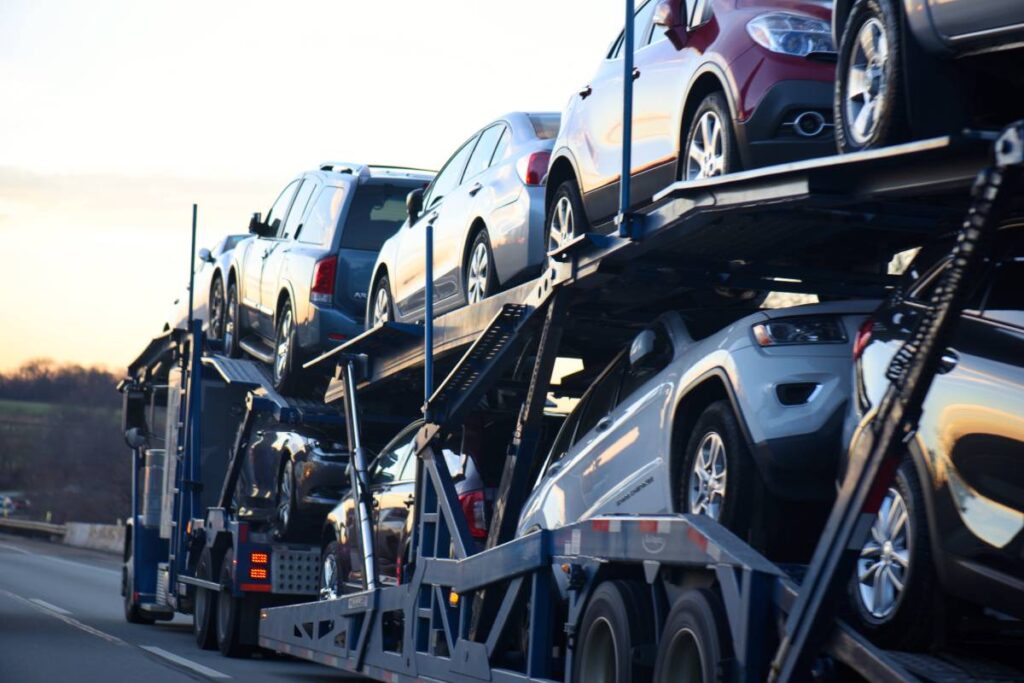
You have seen these on the highway—double-decker trailers carrying 7 to 10 cars.
- Best For: Daily drivers, used cars, standard SUVs.
- The Reality: Your car is exposed to rain, dust, and road debris. However, significant damage is statistically rare (less than 5%).
- Cost: Standard market rate.
Enclosed Car Carriers (The VIP Choice)
These are fully sided trailers that look like standard semi-trucks. No one can see what is inside.
- Best For: Luxury vehicles, classic cars, antiques, or vehicles with low ground clearance.
- The Reality: Your vehicle arrives in showroom condition, untouched by weather or road grime.
- Cost: Expect to pay 30% to 50% more than open transport.
Step-by-Step: Preparing Your Vehicle for Transit
Failing to prepare your vehicle is the most common cause of disputes and delays. Follow this checklist to ensure a smooth hand-off.
- Clean the Exterior: You cannot document pre-existing scratches on a dirty car. Wash it thoroughly before the driver arrives.
- Remove Personal Items: Interstate vehicle freight laws prohibit carriers from transporting “household goods” inside the car. If you pack your trunk full of clothes, the driver can legally refuse pickup or charge a heavy fine.
- Check Fluid Levels: Ensure your vehicle has no active leaks. For diesel owners, this is the time to confirm your levels are topped up—if you’ve ever wondered what is AdBlue and why it matters, it is a crucial exhaust fluid that must be present for your car to start. A car that won’t start at the delivery terminal because of a fluid error can lead to significant “non-runner” surcharge fees.
- Gas Tank Level: Keep the tank roughly 1/4 full. This is enough for the driver to load and unload the car, but it keeps the weight down. A full tank adds unnecessary weight to the carrier.
- Disable Toll Tags & Alarms: Remove your E-ZPass (so you don’t get charged for the truck’s tolls) and disable any sensitive alarms.
Insurance and Safety: Protecting Your Asset
Trust is good; a contract is better. When handing over your keys, you need to understand how vehicle transit insurance works.
Legally, all interstate carriers must carry liability insurance. However, the coverage limits vary.
- The Bill of Lading (BOL): This is your holy grail. It is the receipt and inspection report combined.
- At Pickup: The driver will mark down every existing scratch. Review this carefully. If they mark a dent that isn’t there, you cannot claim it later.
- At Delivery: Inspect the car before signing. Once you sign the BOL at delivery, you are essentially saying, “I accept this car in good condition,” and your ability to file a claim disappears.
Ask these questions before booking:
- “Is the insurance primary or secondary to my own auto policy?”
- “What is the deductible for damage?”
- “Does the policy cover ‘Acts of God’ (hail, floods)?”
Conclusion
Navigating interstate vehicle freight doesn’t require a degree in logistics, but it does require diligence. By choosing the right transport method (Open vs. Enclosed), preparing your vehicle correctly, and understanding the Bill of Lading, you turn a potential nightmare into a seamless handover.
Your car is more than just metal and rubber; it’s your freedom and your daily driver. Don’t settle for the lowest bid—settle for the peace of mind that comes with professional handling.